
Old vs. New Concrete Slabs: Challenges to Watch For
The Challenge: Concrete slab problems—whether in a decades-old government building or a brand-new facility—can derail your commercial flooring project before it even begins. Identifying concrete slab challenges early determines whether your installation succeeds on schedule and on budget, or faces costly delays and premature failures.
At Continental Flooring, we’ve installed commercial flooring since 1979. One lesson learned over four decades: the condition of your concrete slab matters just as much as the flooring product you choose. Here’s what to watch for with both old and new slabs before your next commercial flooring installation.
Why Old and New Concrete Are Not Created Equal
It may seem counterintuitive, but older concrete often outperforms newer concrete in long-term durability. The key factor is the water-to-cement ratio. Less water in the mix produces denser, stronger, less porous concrete. Historically, concrete was mixed with less water and more labor-intensive placement — resulting in a tighter, more durable product.
Modern concrete can be compromised on the job site when workers add water to improve workability. Every increase in water content creates microscopic voids that make concrete more vulnerable to moisture, freeze-thaw damage, and surface deterioration. That said, both old and new slabs come with distinct challenges that must be addressed before any flooring goes down.
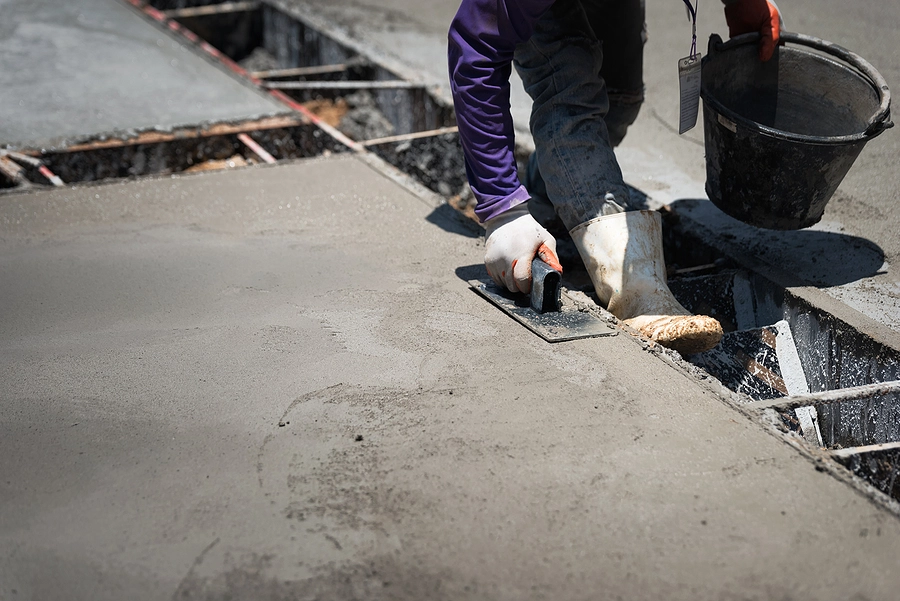
Challenges With Old Concrete Slabs
Older slabs carry decades of wear and exposure. Before installing flooring on an aged slab, watch carefully for these issues:
- Cracking and Structural Fractures — Hairline cracks widen over time from settlement, thermal movement, and loading. Any crack wider than 1/8 inch — or where one side sits higher than the other — signals significant structural movement. Cracks also allow moisture to penetrate, destroying adhesive bonds and causing flooring failure.
- Surface Spalling and Scaling — Decades of freeze-thaw cycles, de-icing salts, and moisture cause concrete to break apart, flake, or pit. Flooring applied over a spalling surface will only bond as well as the substrate beneath it — which means it won’t last.
- Slab Settlement and Unevenness — Soil compaction, erosion, and utility work over the years can leave voids beneath slabs, causing uneven sinking. Most commercial flooring requires a flat, level substrate within tight tolerances. Uneven slabs also create trip hazards and drainage problems.
- Moisture and Vapor Transmission — Aging concrete is more porous and often lacks modern vapor barriers. Excess moisture vapor can destroy adhesives, promote mold growth under flooring, and cause resilient products like luxury vinyl tile (LVT) and vinyl composition tile (VCT) to lift or bubble. Moisture testing is always required before installing on an older slab.
- Contamination and Surface Residue — Old adhesives, oils, chemicals, and previous flooring residues must be removed or encapsulated before new flooring is installed. Surface contamination compromises adhesive bond strength from day one.
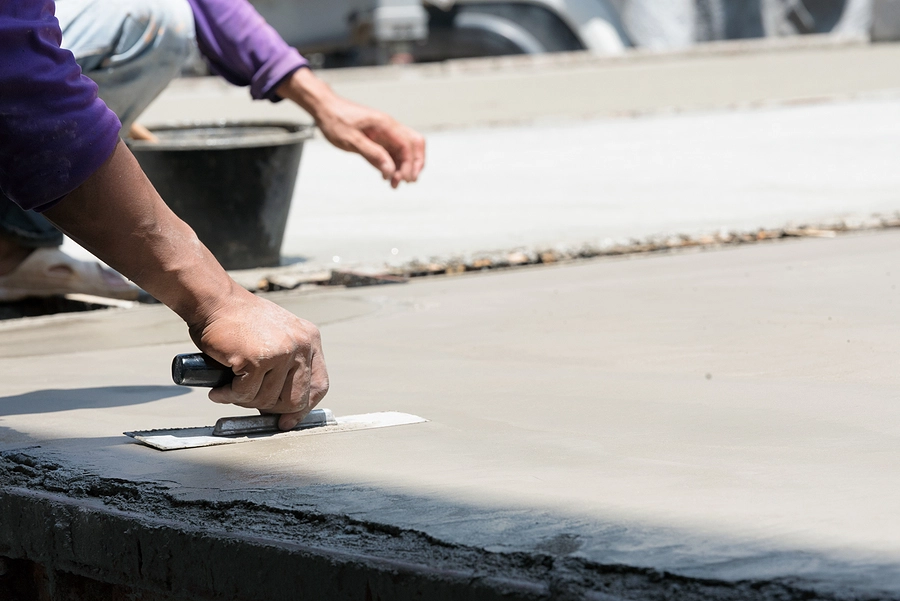
Challenges With New Concrete Slabs
A fresh pour may look perfect, but new concrete has its own set of challenges that are just as critical to address:
- Shrinkage Cracking — As water evaporates during curing, concrete shrinks. When shrinkage exceeds tensile strength, cracks form. Too much water in the mix makes this worse. Improperly spaced or late-cut control joints allow cracking in unpredictable locations.
- Extended Curing Time — Concrete can take up to 28 days to reach full strength. Installing flooring too soon — before moisture levels are acceptable — is one of the most common causes of adhesive and product failure in commercial construction.
- Early Settlement — New slabs settle naturally as surrounding soil compacts under the weight of concrete. Trip hazards, uneven sections, and drainage issues can appear within the first few years — especially if site prep and soil compaction were inadequate.
- Quality Variability — Mix design, crew skill, curing practices, and weather at the time of the pour all affect the final product. A poor-quality pour can result in early spalling, cracking, and structural weakness — often not visible until months later.
Repair vs. Replace: Making the Right Call
When a slab shows signs of settlement, cracking, or surface damage, you have two primary options:
- Concrete Leveling — Lifts settled slabs back to their original position using injected material beneath the slab. Can cost up to 70% less than replacement, is completed in hours rather than days, and preserves sound existing concrete. Best for settling, unevenness, and minor structural issues.
- Concrete Replacement — Tears out and repours the slab. Best when there is severe structural damage, widespread spalling that cannot be remediated, or underlying utility/drainage issues that require access. More expensive, time-consuming, and comes with its own risks — including quality variability and natural resettling in the first several years.
The right answer depends on an honest slab assessment — and that assessment should happen before flooring specifications are finalized, not after installation has already begun.
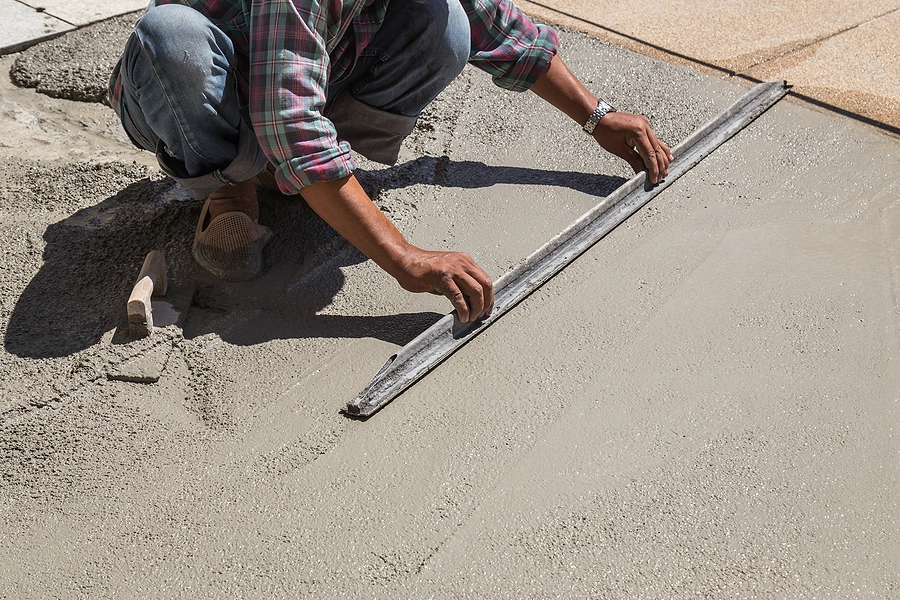
What This Means for Your Next Project
Whether you’re renovating a decades-old federal building or outfitting a newly constructed healthcare facility, the concrete beneath your feet is the foundation of every flooring decision. Specifying the right product matters — but so does ensuring the substrate is properly prepared and ready to perform.
Protecting your concrete slab starts the moment someone walks through your door—entrance matting systems capture dirt and moisture before they reach your flooring, reducing substrate stress and extending flooring life. If durability is your primary concern, ceramic and porcelain tile installed over properly prepared concrete offers exceptional longevity in high-traffic institutional settings.
Considering polished concrete? An existing slab in good condition can often be polished and finished rather than covered — turning a substrate challenge into a durable, low-maintenance design solution.
At Continental Flooring, our “One Call Does It All” approach means we help you identify substrate challenges early — before they become costly mid-project surprises. Request a Free Quote Today!
Please feel free to contact us for product advice, free samples, assistance with specifications, or to place an order. We welcome contract purchases, formal bids, RFQs, or Open Market requirements. One call will do it all!
Contact Us Today!
Call Toll Free 800-825-1221 | Email: [email protected]
Our Segments
- Federal, State, County, and Municipalities
- Healthcare
- Schools, Colleges, and Universities
- Public Housing Authority (PHA)
<e